
How to build community between conferences and meetups
How to stay in touch with attendees after a conference: meetup examples, the host’s role and ideas for your first month working with a community.

After a good conference, attendees have things to come back to: a conversation from the break, a question put to a speaker, or a contact with someone facing a similar problem. At that point the organiser usually has their hands full wrapping up the event. It is easy to put off further contact until it is time to start selling the next edition.
Building community between events means planning that continuation. We know organisations for which a large conference is one of many gatherings in the year. Between editions they run business breakfasts, workshops and meetups, coming back to topics that matter to the same group of people. We see this in the work of IT Corner, Startup Wrocław and Conlea that we know.
Start with the things people bring to a meeting
IT Corner brings together people who run technology companies. The meetings give them a chance to swap experiences with people who understand similar challenges. One person is looking for a specialist, another needs advice on running a company or wants to test their own decision against other people’s experience. The reason to talk stays relevant after the event is over, too.
So before you prepare the next agenda, go back to the attendees’ questions. Check what they asked about after the talks, which topic needs expanding and where they could use some help. You can collect answers in a survey or talk to a few people. It is easier to put together a programme from material like this than from a list of topics that happen to seem popular.
Say that in a startup group the question of the first funding round keeps coming up. The organiser can invite someone who recently went through the process, and later return to the harder issues in a conversation with a lawyer. One topic then provides the basis for several meetings and materials, because people are still trying to solve the same problem. In the next initiative they recognise questions they asked themselves earlier.
A smaller meetup gives people a chance to get to know each other
The work of Startup Wrocław shows how different meeting formats can serve the same community. We notice similar continuity in the Conlea meetups held in different cities. For someone who does not yet know the organiser, a meeting like this is a chance to check out the topics and the people before deciding to attend a larger conference.
In a group of a few dozen people, it is easier to ask about a detail the speaker could not fit into the presentation. You can come back to a mistake, ask for a decision to be explained and stay for a chat after the talk. The attendee then has their own experience to base a decision to come back on. For some people, small meetings will remain the best way to take part, and there is no reason to judge them only by ticket sales for a bigger event.
A lot also depends on how partners take part. If a bank supports a startup meetup, a run-through of its products may add little to the attendees’ evening. A talk about mistakes in funding applications will be useful, though: why an application gets rejected, what was missing from it and how to prepare a company for a conversation with the bank. The partner shows its expertise, and people get knowledge they can use.
In the same way, a lawyer can talk about problems in negotiating investment agreements. This takes an earlier conversation with the partner about the purpose of the presentation, but the organiser then has a say in what their community actually hears. Attendees know who is sharing their experience; a reminder about the offer on every slide rarely helps them understand the topic better.
Someone has to start the first conversation
From running events, we know situations where the organiser opened a discussion module and that was the end of the introduction. Attendees landed in an empty space, not knowing what they could write about or whether anyone would reply. A button for adding a post does not solve this problem.
At the start, you need a host. They can come back to a specific question from the conference, invite someone with the right experience and reply to the first comment. If someone describes a mistake or asks for help, the team’s reaction shows others whether they can speak up too. Leading a conversation like this takes time, which the organisation has to plan for in its work.
In Hi Events, the conversation after a conference can carry on in the Event Hub. The organiser comes back there to questions from the sessions, shares materials and asks about the programme of the next meeting. The team still needs someone who will reply to attendees and keep the threads that have started going.
Over time, some conversations can carry on without the host taking part all the time. Someone asks for help, and the answer comes from another member of the community. For a small team this is a good direction: focus effort on a few exchanges that people need, instead of taking on daily publishing of content you will later run out of time for.
What to do in the first month after a conference
Plan your follow-up communication before the event ends. In the first few days, thank people for coming and collect their feedback while they still remember the details of the programme. As well as rating the sessions, ask about topics they would like to come back to. The answers can help you choose the next workshop or the guest for a smaller meeting.
The following week, you can share a recording, a presentation or an answer to a question there was no time to develop in the room. Photos and an aftermovie will bring back the atmosphere, and substantive material lets people come back to a specific issue. Spreading these posts out over time gives you several occasions for contact; with each one, leave attendees a way to join the conversation.
Later, show when people will be able to meet again. If you already know the date of the next edition, invite them to save it in their calendar. If not, you can suggest a smaller initiative around questions from the last conference. It does not have to mean organising the next big event: sometimes a group needs a conversation with one person who knows the subject from practice.
Adjust this rhythm to your community and to what your audience prefers. Attending a conference is not unlimited permission for later marketing. Attendees should know what messages they receive and how they can decide about further contact.
How Hi Events connects one event to the next
With many initiatives, it is easy to end up with several separate sets of information about the same group. Conference sign-ups are in one place, the discussion after a workshop in another, and speaker materials are collected all over again by whoever prepares the next edition. For a small team, that is real work that has to be done every time.
In Hi Events, events belong to an organisation. Its page with a calendar lets people check upcoming meetings, and the speaker and company libraries help you reuse the materials you have collected. In the event app, attendees find people and the profiles they have shared, the Business Hub presents companies connected with the organisation, and the Event Hub provides a place for further conversations.
In a startup community, this can be useful, for example, when looking for a company with a particular specialism or getting back in touch with someone you met at a business breakfast. Members keep control over the visibility of their profiles. The organiser also has a shared place for further initiatives, to which they can invite the same group. We also describe why we took this approach in the story of how Hi Events came about.
To begin with, go back to one question left over from your last event and offer a chance to carry on the conversation. See whether people pick up the topic and what they need next. If you are also looking for a tool to bring these activities together, sign up for the Hi Events beta. We would be glad to hear about your experience of working with a community between meetings.
Read on
All articles → Planning
Conference check-in: how to prepare for welcoming attendees
How to prepare check-in at a conference or trade fair: plan the desks, badges, staff training and how to handle tricky cases at the entrance.
 What’s new
Why we built Hi Events from scratch
Why did the Meeting Application team create Hi Events? On organisers’ experience, a new brand and joining registration with the event app.
 Registration & tickets
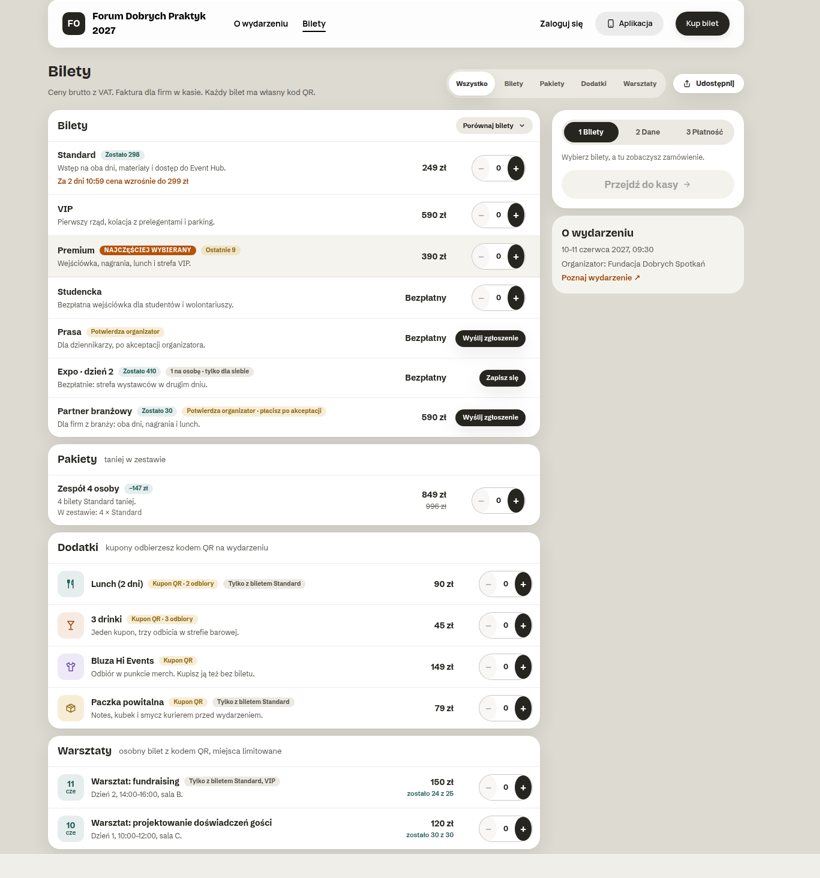
One event, many audiences. Advanced ticket sales and group communication in Hi Events
Members pay less, partners get hidden tickets, the press gets in after approval and VIPs have their own channel and separate emails. All at one event.