
Why we built Hi Events from scratch
Why did the Meeting Application team create Hi Events? On organisers’ experience, a new brand and joining registration with the event app.

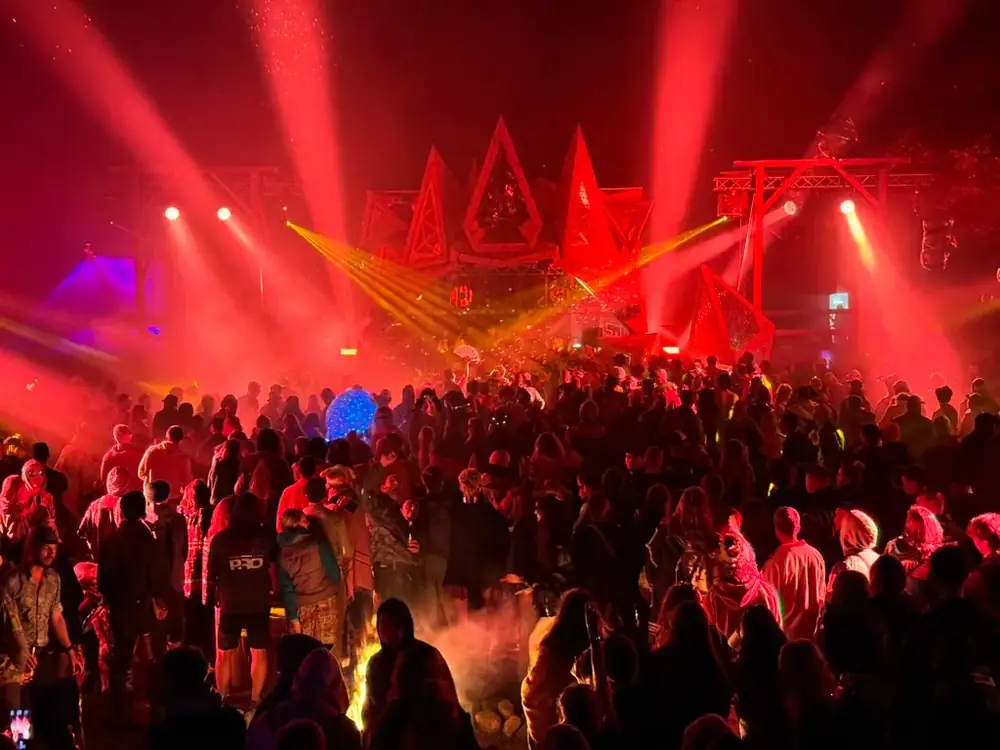
At one of the music festivals we provided an app for, Adrian was asked about its name. Attendees had the line-up, a map and the information they needed on site on their phones, but the name Meeting Application didn’t really fit what they were using.
Similar things happened in conversations with organisers. We got enquiries about networking and arranging meetings, and some people didn’t know that we also did websites, registration and ticket sales. Over the years the product had grown, but the name still told the story of a small part of our work. So while preparing Hi Events, we went back to two questions: how to arrange the whole system, and how to introduce it to someone who doesn’t know us yet.
The product grew together with events
Meeting Application was founded in 2012. In 2018 we started writing a new system for creating and managing event apps, focusing above all on the conference attendee. The organiser prepared the programme, speakers and information, and we gave people a place where they could find all of it and get updates during the event. The organiser panel was also built around this way of using the app.
The pandemic quickly changed what clients needed. We developed websites, registration and solutions for online events, adding them to the existing system. It was a difficult period for the company; after COVID we rebuilt the business, still working with organisers and responding to their needs.
Over time, clients interested only in the event website and sign-ups also came to us. Each new feature had its place and its reason, but moving between them required knowing the system. We remembered why a given option had ended up in a particular tab. Someone opening the panel for the first time had to learn that first.
Natalia knew this problem from both sides. Before joining the team, she used Meeting Application as an organiser, and later she helped other clients work with the system. She saw how much time it took to explain how settings depended on each other. Simply having the right feature didn’t solve the problem if the user didn’t know where to find it and what a change would do.
In the events industry this matters a lot. Organisers often come back to the panel after several months, or are given a conference to prepare on top of their usual duties. They don’t spend every day in our system, so it is hard to expect them to remember every corner of it. We wanted to make it easier for them to get back to work, while keeping the capabilities needed for more demanding events.
A new product after more than 4,000 events
Meeting Application has helped run more than 4,000 events, and our clients came from more than 40 countries. Our work has also included projects connected with NATO and the European Commission. We are drawing on this experience in building Hi Events.
Starting afresh, we could look at the organiser’s whole journey: from collecting materials from speakers and partners, through preparing the website and sign-ups, to staying in touch with attendees. Conversations with clients, support requests and experience from running events showed us which tasks people repeat and where they need help.
In Hi Events, the event website, registration and the attendee app share one space. Attendees discover the event, join it, and then move on to the programme, profiles and conversations with other people. Everything works in the browser, on a computer too. People can prepare for a conference in advance: check the sessions, get to know the speakers and see who they want to talk to on site.
The organiser manages the same information that attendees see on the website and in the app. Changing the programme doesn’t mean correcting several separate versions. There are still things to prepare, but handling them should make sense even to someone doing their first event with us. We keep coming back to this as we design new screens.
An organisation has a longer history than one conference
In our previous model, we worked on a specific event, and once it was over the next project began. Yet many organisations met with a similar group of people all year round. Between large conferences there were workshops, business breakfasts and meetups, and attendees still needed to stay in touch with one another.
That is why in Hi Events the starting point is the organisation, within which events are created and a community grows. Its members have a shared place to check upcoming initiatives, exchange knowledge and stay in touch. The organiser uses the speaker and company libraries instead of asking for the same materials again for every edition. They can also see people taking part in successive meetings, not just a separate sign-up list for each one.
With this approach, the conference programme and the conversations after it start to connect. Attendees’ questions can come back during a workshop or become the topic of the next meetup. We write more about how to work with this day to day in our article on building community between events.
A new name, with the same team behind it
We needed a brand that suits both conferences and less formal events. What we like about Hi Events is the simple “hi” that contact between people starts with. It is short, relaxed and doesn’t need such a long explanation in a first conversation.
Meeting Application remains the company behind Hi Events, developing solutions for the conference and trade fair industry. We are separating the product name from the company name while keeping the team’s experience.
There are three of us building Hi Events. Adrian is responsible for product, design and sales. Natalia brings her experience as an organiser and of day-to-day client support, and Michał is the co-founder responsible for technology, architecture and security. This way, one problem brings together the perspectives of the person who designs the solution, the person who helps people use it and the person responsible for making it work.
We also use AI in building Hi Events. For Adrian, this has meant learning new tools and taking a closer part in designing and developing the system, with technical support from Michał. We want to talk about where AI helps and where it needs checking through concrete examples.
We are now taking sign-ups for the Hi Events beta. If you organise events and want to try this approach in practice, sign up for the beta. We would be glad to hear what in your work takes the most repetition and what attendees would like to come back to between meetings.
Read on
All articles →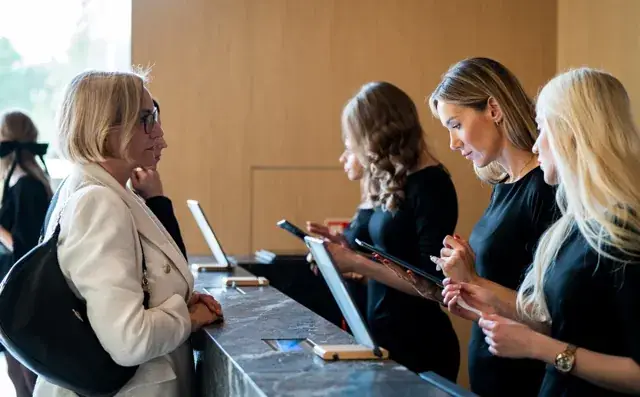 Planning
Conference check-in: how to prepare for welcoming attendees
How to prepare check-in at a conference or trade fair: plan the desks, badges, staff training and how to handle tricky cases at the entrance.
 Community
How to build community between conferences and meetups
How to stay in touch with attendees after a conference: meetup examples, the host’s role and ideas for your first month working with a community.
 Registration & tickets
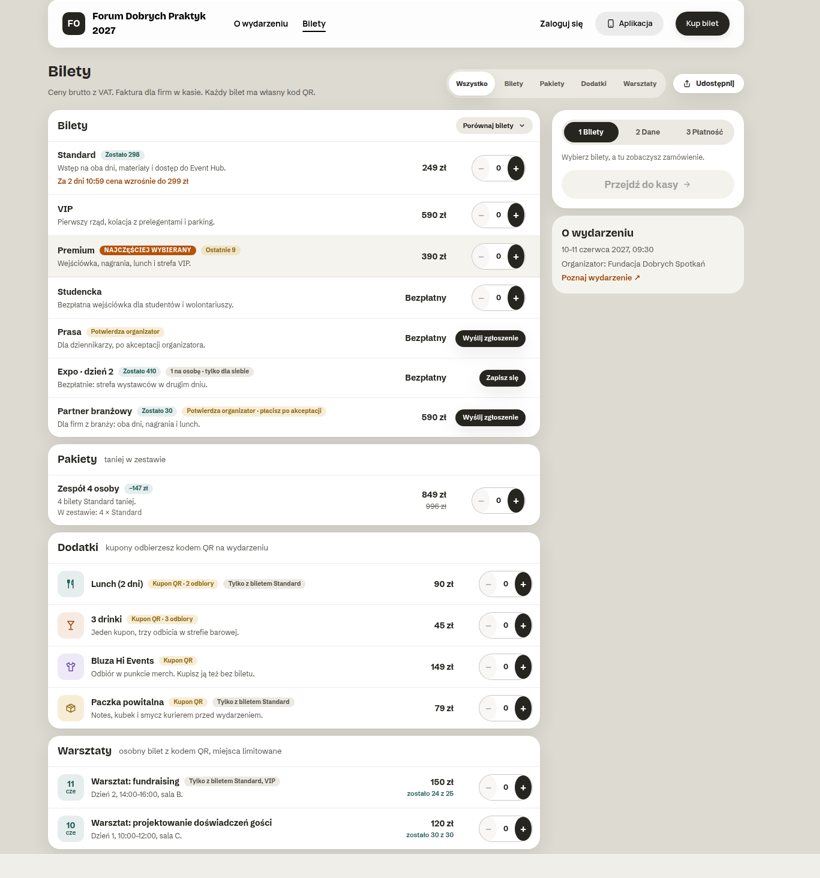
One event, many audiences. Advanced ticket sales and group communication in Hi Events
Members pay less, partners get hidden tickets, the press gets in after approval and VIPs have their own channel and separate emails. All at one event.